
The Hidden Impact of Breathing Habits on Sleep, Speech, and Growth and What Can Be Done About It
Breathing through the mouth, trouble sleeping and struggles with speech or posture are not just bad habits. They also tend to be a sign of muscle dysfunction.
At Developmental Dentistry, we often find that what looks like a habit is actually the result of undertrained, misaligned oral muscles.
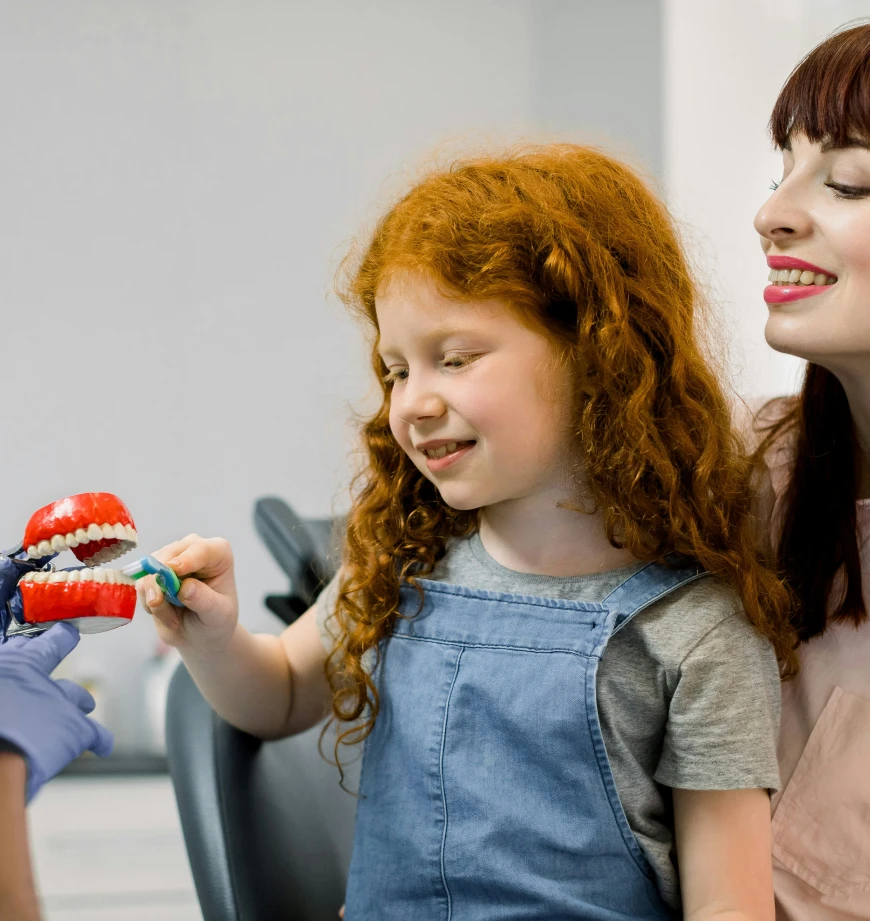
Whether used on its own or as part of a broader treatment plan, myofunctional therapy plays a critical role in long-term success.
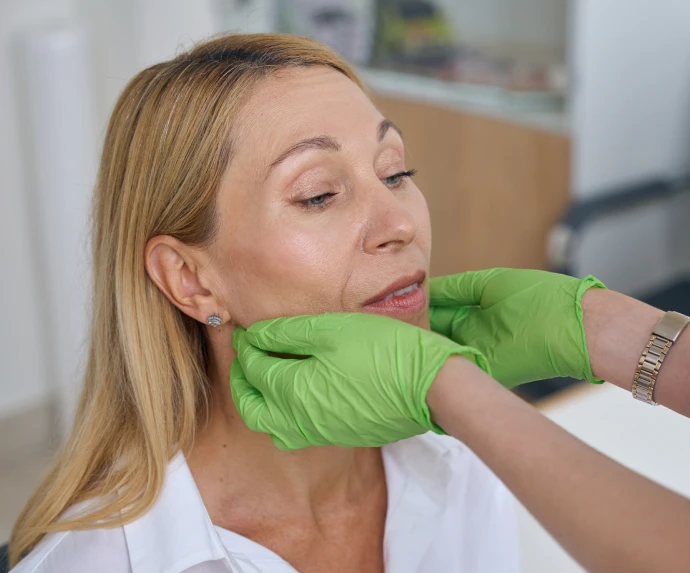
Myofunctional therapy is like physical therapy for the mouth.
Myofunctional therapy exercises are designed to retrain the tongue, lips, cheeks, and airway to work in harmony.
The goal of the treatment is to help patients breathe easier, sleep deeper, speak clearly, and grow with confidence.
Dr. Shanley Hamby
Dr. Shanley Hamby
Marybeth
Marybeth
Dr. Shanley Hamby
Dr. Monica Kim
We begin with a comprehensive assessment of:
Tongue and Lip Strength
Resting oral posture
Swallowing patterns
Breathing Habits
From there, we create a customized program that includes:
to retrain the tongue, lips, and cheeks
(including Buteyko)
(like thumb sucking or open-mouth posture)
before and after procedures like frenectomy or expansion
Everything patients and parents ask us most — answered honestly and in plain language.
Still have questions? We'd love to talk. Schedule a myofunctional therapy evaluation at our Chapel Hill, NC office — no referral needed.
Book an EvaluationMuscles shape the face. Tongue posture shapes the palate. Breathing habits shape health. When muscles aren’t working as they should, problems cascade. Impaired growth, poor sleep, delayed speech, mouth breathing, and even behavioral concerns.
Myofunctional therapy empowers the body to correct itself gently, naturally, and over time. We work closely with orthodontists, speech therapists, ENTs, and bodyworkers to ensure each patient’s plan is truly collaborative.
Great growth starts with great function. Schedule a myofunctional therapy evaluation and get a personalized plan that helps your child thrive or supports your next step in healing as an adult.